

Micro/Nano Medicine and Tissue Engineering is an interdisciplinary field integrating modern life sciences, medicine, micro/nano technology, and mechatronics, brimming with research vitality. This discipline is committed to developing new technologies and methods for the personalized prediction, prevention, diagnosis, and treatment of major diseases, as well as researching and developing high-performance biomedical materials and bionic artificial tissues. It encompasses numerous distinctive research areas, such as biochips, liquid metals, micro/nano robots, and tissue engineering, having yielded a series of high-level scientific research achievements. Many translated products have exerted a significant impact in the fields of life sciences and healthcare.
Biochips and in vitro diagnostics (IVD) focus on discovering new biomarkers and researching novel disease diagnostic technologies. This direction involves both cutting-edge scientific research and emphasis on technology and product translation, playing a crucial role in disease diagnosis, prevention, and treatment.
Liquid metal biomaterials, through in-depth interdisciplinary integration, provide transformative solutions for flexible electronics, health monitoring, medical imaging, tissue/nerve/bone repair, cancer treatment, as well as the development of artificial organs and the upgrading of medical devices.
Addressing the challenges of oral delivery of biological drugs, research is conducted on degradable microneedle drug delivery robots driven by passive gastrointestinal peristaltic pressure. Based on carbon-based flexible materials and micro/nano fabrication processes, flexible multi-brain-region neural electrodes are developed for chronic high-throughput neural signal recording and stimulation, advancing the study of neuroscientific issues.
The 3D microtissue technology in microtissue engineering can serve as an amplification and preparation platform for next-generation stem cell drugs and a pharmaceutical delivery system, revolutionizing in vitro cell culture and regenerative medicine. Meanwhile, this technology can assist in establishing bionic physiological and pathological models for high-throughput drug screening and pathological mechanism research.
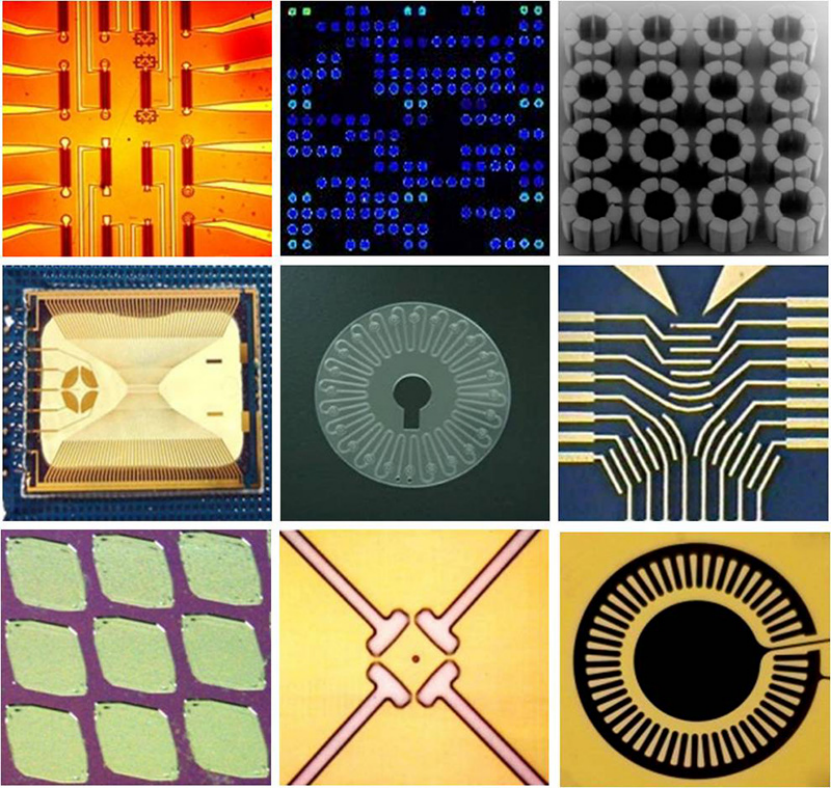
Figure 1 Various types of biochips
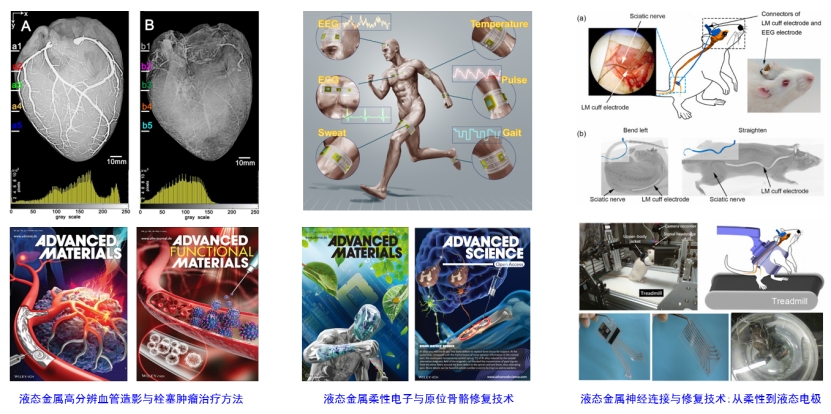
Figure 2 Liquid Metal-Based Biomedical Technologies

Fig. 3 Flexible High-Throughput Multi-Brain-Region Neural Electrodes
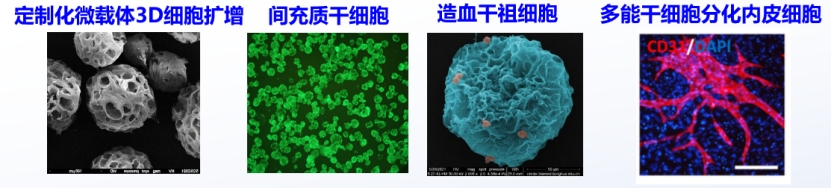
Fig. 4 Stem Cell Microtissues
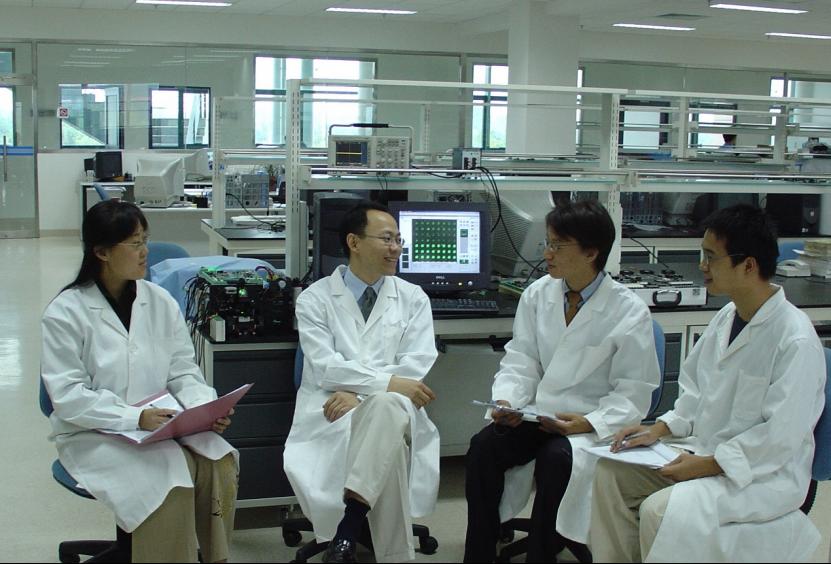
Fig. 5 Professor Cheng Jing Discussing with Students
Tel:86-62787861
Email:sygcxybgs@mail.tsinghua.edu.cn


©2017 School of Biomedical Engineering,Tsinghua University. All Rights Reserved
