Researchers from the Ning Guochen and Liao Hongen research groups at the School of Biomedical Engineering, Tsinghua University, in collaboration with Beijing Tsinghua Changgung Hospital, Qinghai Provincial People’s Hospital, and other institutions, have published a study in Nature Communications titled “A lightweight portable ultrasound robot for autonomous liver sonography.” The team developed a lightweight ultrasound robot that can be fixed to the abdomen, allowing it to learn clinicians’ scanning strategies, autonomously adjust the probe, and acquire standardized liver ultrasound planes. This work offers new technical support for ultrasound services in a wide range of settings with differing medical resource availability.
Although ultrasound devices are inherently portable, performing high-quality examinations still depends on clinicians’ professional expertise. In remote regions and pre-hospital transport scenarios, ultrasound specialists are often unable to reach patients in a timely manner, limiting access to diagnostic services. This study addresses the challenge of integrating clinicians’ scanning experience into portable devices, enabling autonomous acquisition of standardized images when on-site experts are unavailable. The research team combined a lightweight robotic platform with artificial intelligence. The body-surface mechanism—together with the probe and a force sensor—has a total mass of 588 g, can move with the patient, and autonomously searches for standard imaging planes by integrating ultrasound images, probe pose, and contact feedback. This provides image acquisition capability for scenarios where professional clinicians cannot arrive promptly.
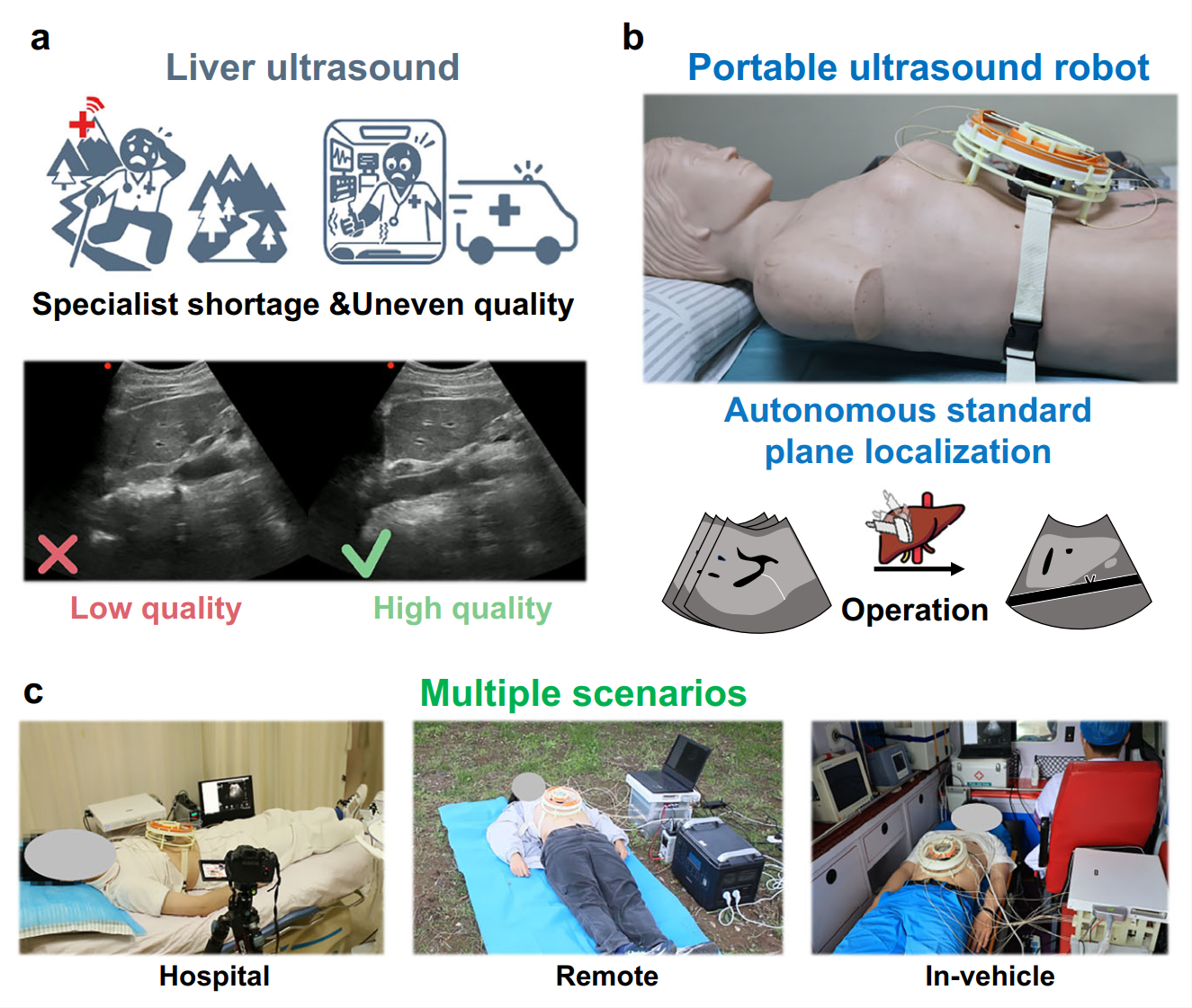
Figure 1 Overall schematic of the portable autonomous liver ultrasound robot
Lightweight Robot Overcomes Scenario Constraints
The system features a design that closely conforms to the human body. Using cable-driven actuation, the actuation and control mechanisms are decoupled. It is equipped with a compact six-degree-of-freedom structure that enables three-dimensional translation and three-dimensional rotation within a local workspace. The effective mechanism mass is 588 g, and the total system weight does not exceed 10 kg, helping it better accommodate changes induced by respiration and environmental disturbances.
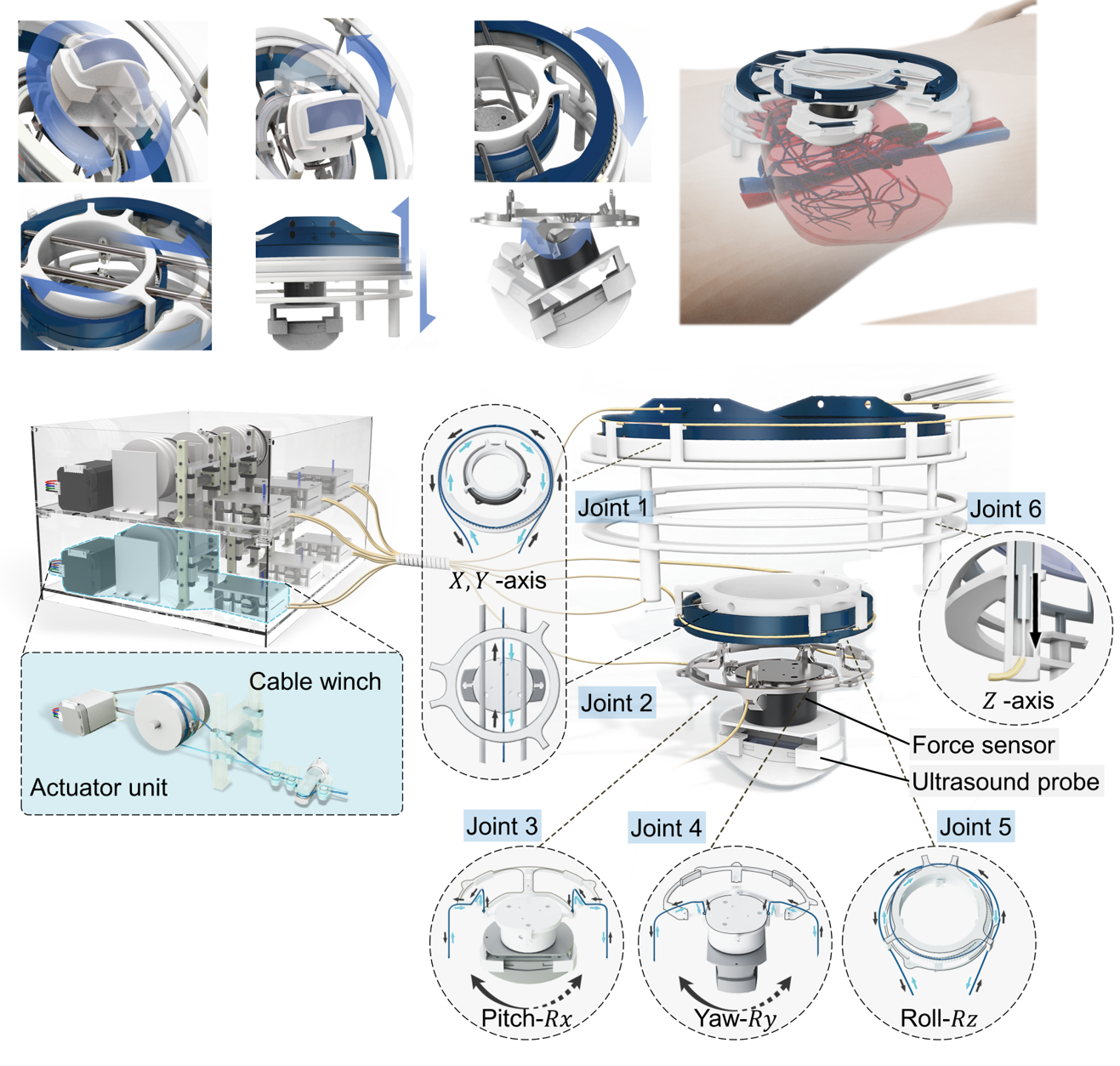
Figure 2 System structure of the lightweight ultrasound robot
Learning from “Manual Experience” to Autonomously Locate Standard Planes
The team further developed an AI-driven autonomous control method based on clinicians’ operational experience. Through imitation learning, the system was trained on probe trajectories and procedural patterns derived from standardized liver examinations. During scanning, the AI integrates spatial information, tactile/force feedback, and real-time ultrasound images to generate adaptive probe motion strategies. Its goal is to localize standard imaging planes and acquire diagnostically usable images even under challenging conditions, including discontinuous acoustic windows, respiratory motion, and artifacts.The system was evaluated in 119 subjects. Results demonstrated that ultrasound acquisitions produced by the robot yield interpretable images and are consistent with medical reference standards in anatomical measurements.
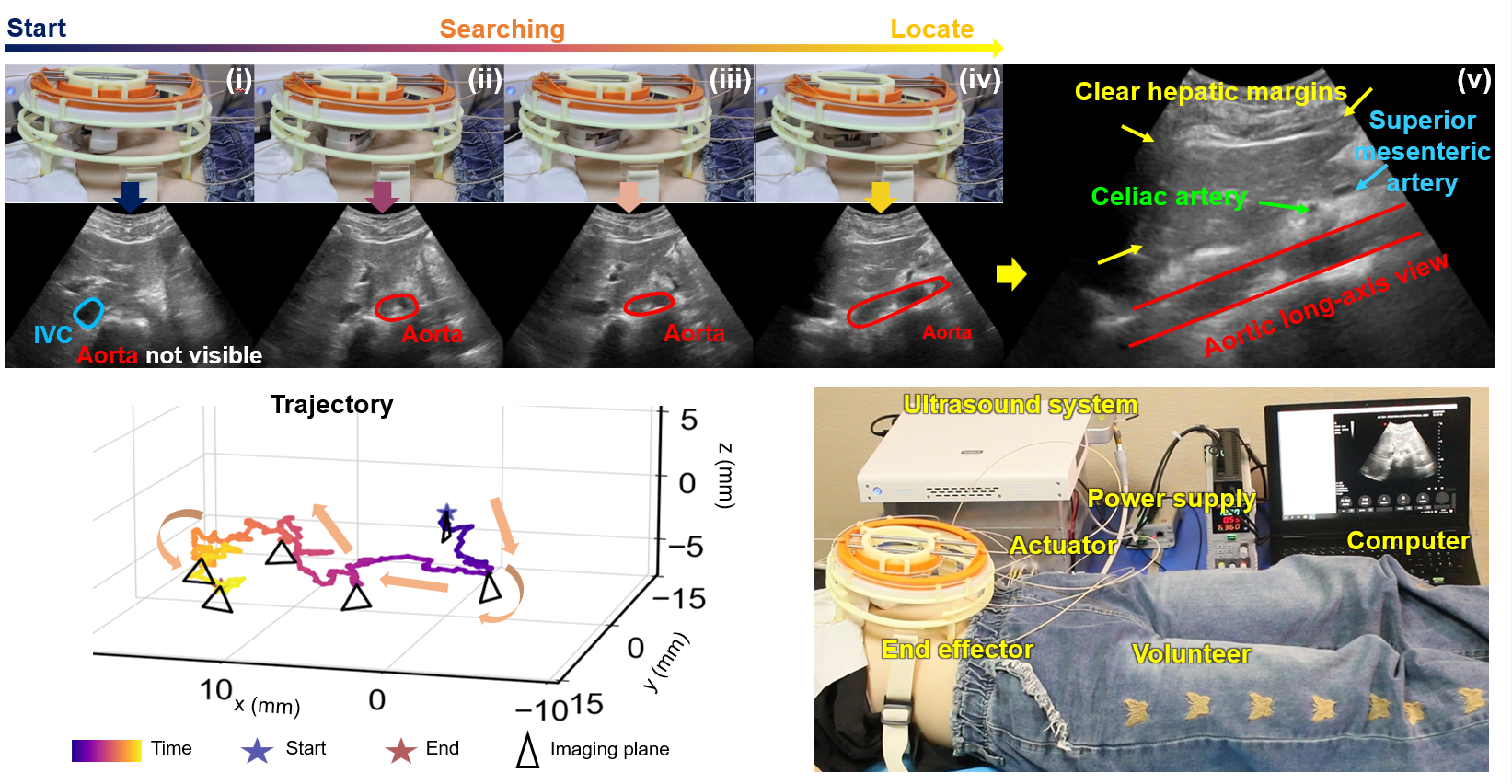
Figure 3 Continuous process and trajectory of the robot autonomously searching for standard planes
Moving Beyond the Laboratory to Validate Feasibility in High-Altitude Low-Resource Scenarios and Dynamic Conditions
Beyond evaluation in conventional clinical environments, the research team collaborated with Qinghai Provincial People’s Hospital to conduct feasibility testing for hepatic echinococcosis screening in the Qinghai–Tibet Plateau, a high-altitude region with limited medical resources. The system was also validated under more challenging dynamic conditions, including scanning scenarios involving moving vehicles. These findings suggest that this portable lightweight robotic platform, together with the proposed autonomous control framework, has the potential to extend standardized ultrasound capabilities beyond specialized healthcare institutions.
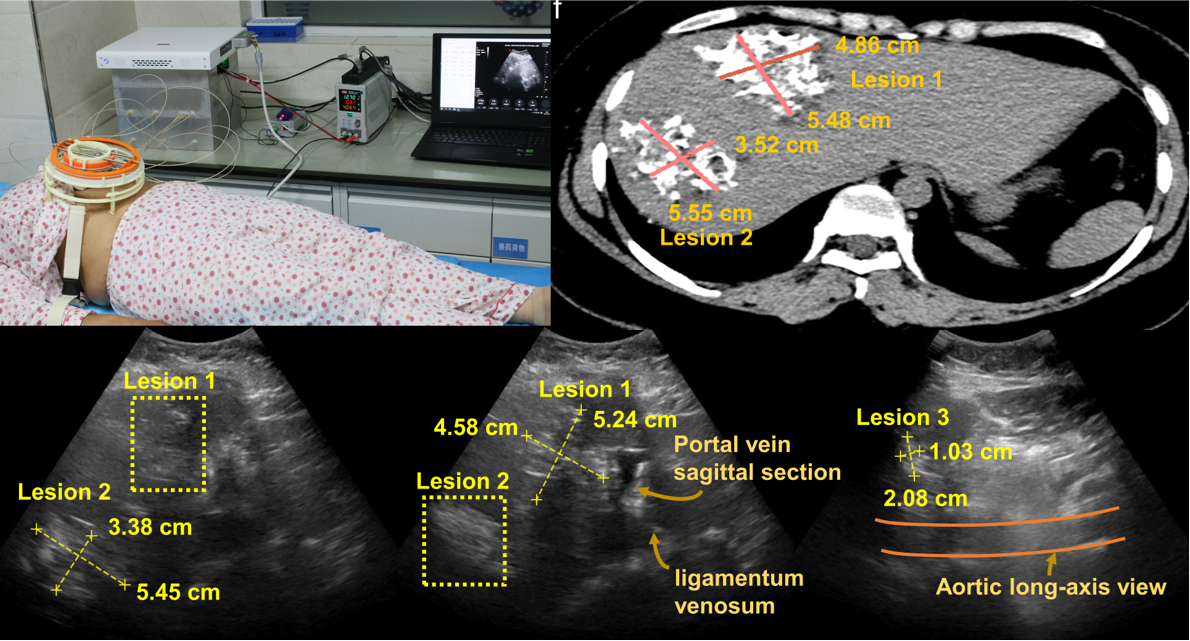
Figure 4 Feasibility validation for hepatic echinococcosis screening
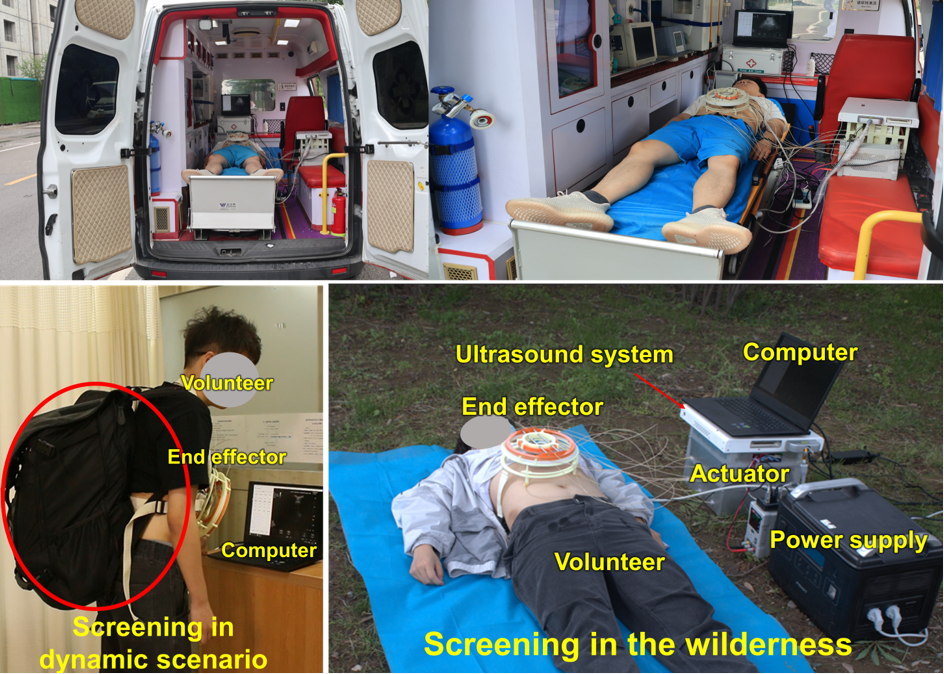
Figure 5 Feasibility validation in multiple scenarios including dynamic vehicle-mounted, human-motion, and outdoor field applications
Conclusion: Providing a New Path for “Standardizable Portable Ultrasound”
This study aligns “device portability” with “standardized operational capability.” By designing lightweight robotic hardware coupled to the human body and implementing autonomous intelligent control driven by physician demonstrations, the work reduces reliance on the experience of skilled on-site operators. It provides a new technical solution and implementation approach for liver screening, as well as early detection and follow-up monitoring of related diseases.
Full-text link: https://www.nature.com/articles/s41467-026-79007-5
The research was conducted in collaboration among Tsinghua University, Beijing Tsinghua Changgung Hospital, Qinghai Provincial People’s Hospital, and other institutions. It was supported by the National Key R&D Program of China and the National Natural Science Foundation of China. Ning Guochen, a faculty member at the School of Biomedical Engineering, Tsinghua University, is the last corresponding author of the paper, while Professor Liao Hongen is the co-corresponding author. Zihan Li (a direct-entry Ph.D. student admitted in 2022) and Yixiao Xu (a direct-entry Ph.D. student admitted in 2024), both from the School of Biomedical Engineering, Tsinghua University, are co-first authors. The study also involved contributions from the team of Dr. Zhang Lei in the Department of Ultrasound, Beijing Tsinghua Changgung Hospital, as well as Dr. Xin Shenghai and Dr. Liu Linxun from Qinghai Provincial People’s Hospital.